This is a continuation in a series of blogs that is all about cyber issues. This entry will be all about How to Prevent Cyber bullying.
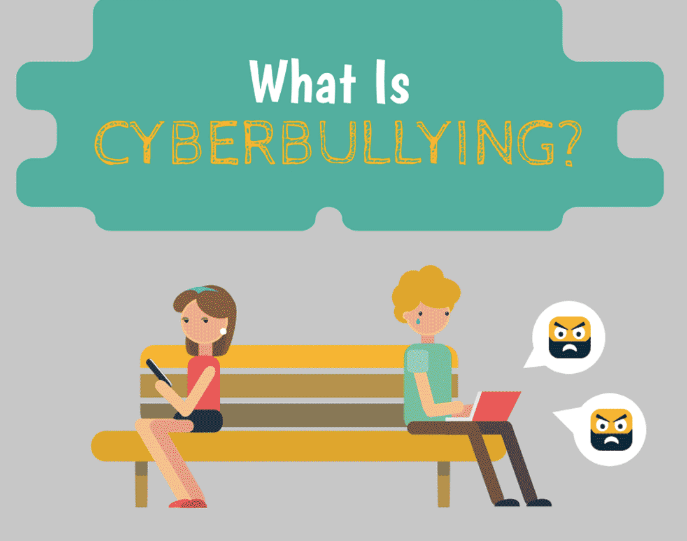
What is Cyber Bullying?
Cyberbullying or cyberharassment is a form of bullying or harassment using electronic means. Cyberbullying and cyberharassment are also known as online bullying. It has become increasingly common, especially among teenagers. Cyberbullying is when someone, typically teens, bully or harass others on the internet, particularly on social media sites. Harmful bullying behavior can include posting rumors, threats, sexual remarks, a victim’s personal information or pejorative labels (i.e. hate speech). Bullying or harassment can be identified by repeated behavior and an intent to harm.[3] Victims may experience lower self-esteem, increased suicidal ideation, and a variety of negative emotional responses, including being scared, frustrated, angry, and depressed.
Cyberbullying comes in a whole range of different shapes and sizes and is something that is totally subjective to the person being cyberbullied.
“Cyberbullying is the use of digital technologies with an intent to offend, humiliate, threaten, harass or abuse somebody.“
– Ditch the Label
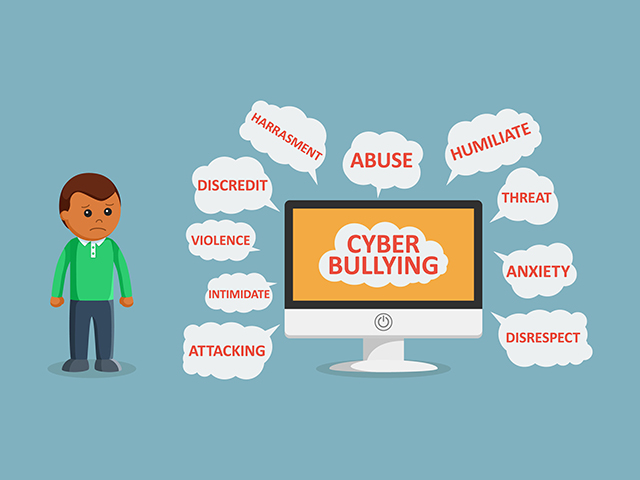
What are the different types of cyberbullying?
- Nasty messages online or on your mobile phone.
- Comments or replies on your social media posts or posts about you.
- Being excluded from online group chats on purpose.
- Embarrassing or harmful photos being put online without your permission.
- Sending offensive pictures through a messaging app.
- Rumors and lies about you on a website, messaging app or social media platform.
- Offensive chat or voice communication on an online game.
- Fake online profiles being created with an intent to defame you.
 Cyber Issues