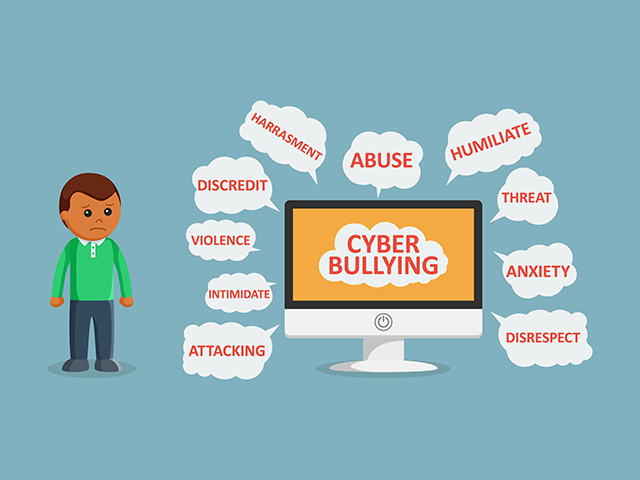
Cyber-terrorism

Cyber-terrorism, if used correctly, can be one of the most devastating and destructive cyber issues man has faced since the dawn of consumer-grade computer products.

Most destructive you say, huh? Well, a cyber attack just turn the Baltic state of Estonia’s online infrastructure off and shout out from Internet connectivity in April 2007. Everything, from online banking to access to health care info to mobile phone networks was disabled for a period of time. Yeah, that happened. Read more here: https://en.wikipedia.org/wiki/2007_cyberattacks_on_Estonia

To define cyber-terrorism, I can basically define it as “doing malicious acts that, in turn, may result in deaths or something close just to achieve either ideological or political gains (could be both) through intimidation and/or threat.”

But yeah I’m an average guy at school so don’t quote me on that. Some may define it as “the bad works of terrorist organizations for the purpose of creating panic and whatnot to people”. And by bad, they mean like attacks against information systems in a certain place, which in 2020, in the 21st century, can be defined as really bad.

Still, people are still not satisfied with that definition and they instead define cyber-terrorism as just “the use of technological stuff (like networks, computers and the like) to cause disruption and chaos for personal intentions.”

Whatever the definition is (and also, at this point too), you can probably tell that cyber-terrorism is bad. Really really bad. So bad that it prompted actions from both America’s finest organizations to solve crimes (at least in movies), the CIA or Central Intelligence Agency and the FBI or Federal Bureau of Investigations to put the nail on the coffin (I should say) to cyber-terrorism.

– Bryan M. Dumdum, professional columnist and IT analyst at swissfyre.com
Online Harassment

This is a continuation in a series of blogs that is all about cyber issues. this entry will be all about Online Harassment.

Image result for online harassment image

What is Online Harassment?

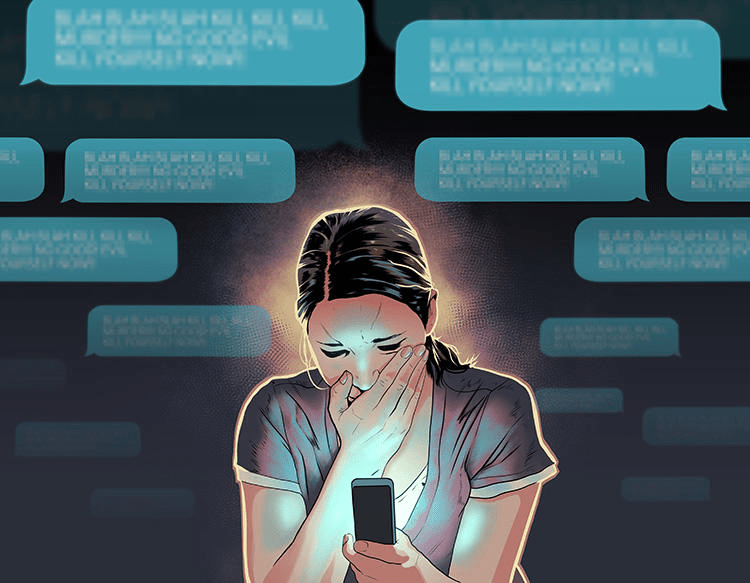
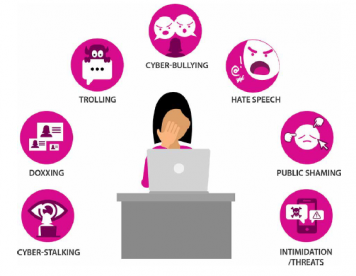
Online Harassment Harassment online is usually related to your social lifestyle and if you choose to use a popular social network such as Facebook or Twitter.Online harassment can consist of threats sent through email, instant message or through a social network message/post. Usually, it is simple to report these threats to the social network you’re being harassed on. Harassment can also be found to result in cyberbullying kids which can have dire consequences as you may have witnessed recently in the media where a 13-year-old kid from Dardenne Prairie, Missouri, named Megan Meier committed suicide from being bullied online. Our suggestion for handling harassment online is to immediately report any activity out of the ordinary before it gets out of hand even if you may know the person on the other end. Often online impostors who harass you online do it to find your ‘breaking point’ but you should never let it get that far.

-Ian G. Bolo

TOP 5 CYBER SCAM

The bane of the internet, cybercrime refers to any and all illegal activities carried out using technology. Cybercriminals — who range from rogue individuals to organized crime groups to state-sponsored factions — use techniques like phishing, social engineering, and all kinds of malware to pursue their nefarious plans. Find out how cybercrime works and how to protect yourself here.

What is cybercrime?

When you hear the word “cybercriminal” or “hacker,” what image comes to mind? Is it a sketchy guy, perhaps wearing a dark hoodie, camped out in a dank basement somewhere, typing away furiously? While that image is in the public consciousness thanks to movies and TV, the real picture of a cybercriminal is much different

  1.Phishing scams Phishing is a practice of a cybercriminal or hacker attempting to obtain sensitive or    personal information from a computer user.

 2. Identity Theft scams Cybercrooks who may have gained access to your credit card or banking             account information may use that information to make purchases in your name.

3. Online Harassment Harassment online is usually related to your social lifestyle and if you choose to use a popular social network such as Facebook or Twitter.

4. Cyberstalking Cyberstalkers will go to great lengths to try to monitor a victims online activity. This may include infecting a person’s computer with malware that is able to log computer activity.

5. Invasion of privacy The invasion of privacy is basically the act of someone attempting to intrude on a person’s personal life.

10 Ways to Prevent Cyber Attacks

Even if you don’t currently have the resources to bring in an outside expert to test your computer systems and make security recommendations, there are simple, economical steps you can take to reduce your risk of falling victim to a costly cyber attack:

  1. Train employees in cyber security principles.
  2. Install, use and regularly update antivirus and antispyware software on every computer used in your business.
  3. Use a firewall for your Internet connection.
  4. Download and install software updates for your operating systems and applications as they become available.
  5. Make backup copies of important business data and information.
  6. Control physical access to your computers and network components.
  7. Secure your Wi-Fi networks. If you have a Wi-Fi network for your workplace make sure it is secure and hidden.
  8. Require individual user accounts for each employee.
  9. Limit employee access to data and information and limit authority to install software.
  10. Regularly change passwords.

-POSTED BY: JASFER P. RULE

“CYBER STALKING”

This is a continuation in a series of blogs that is all about cyber issues. This entry will be all about Cyber Stalking.

What is Cyber Stalking?

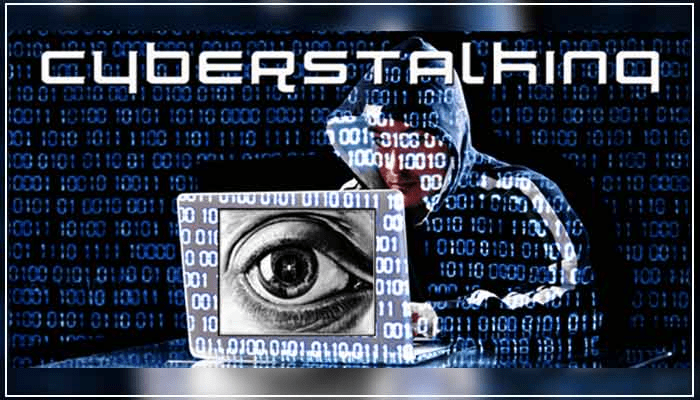
Cyberstalking is the use of the Internet or other electronic means to stalk or harass an individual, group, or organization. It may include false accusations, defamation, slander and libel. It may also include monitoring, identity theft, threats, vandalism, solicitation for sex, or gathering information that may be used to threaten, embarrass or harass.

Cyberstalking is often accompanied by realtime or offline stalking. In many jurisdictions, such as California, both are criminal offenses. Both are motivated by a desire to control, intimidate or influence a victim. A stalker may be an online stranger or a person whom the target knows. They may be anonymous and solicit involvement of other people online who do not even know the target.

Cyberstalking is a criminal offense under various state anti-stalking, slander and harassment laws. A conviction can result in a restraining order, probation, or criminal penalties against the assailant, including jail.

This is the several forms of cyberstalking that can take place including:

  • placing orders for delivery in someone else’s name
  • gathering personal information on the victim
  • spreading false rumors
  • encouraging others to join in the harassment
  • threatening harm through email
  • creating fear and paranoia for someone else
  • hacking into online accounts

Cyberstalking can cause extreme distress for the victim. It can impact their career, personal relationships, and quality of life. Often times victims do not know who the perpetrator is and start wondering if they are being watched or followed. The common denominator amongst cyberstalking cases is that they are typically against the law, unsolicited by the victim, and unrelenting.

-POSTED BY:JESSIE JR M. VILLAREAL

Cyber Bullying

This is a continuation in a series of blogs that is all about cyber issues. This entry will be all about How to Prevent Cyber bullying.

What is Cyber Bullying?

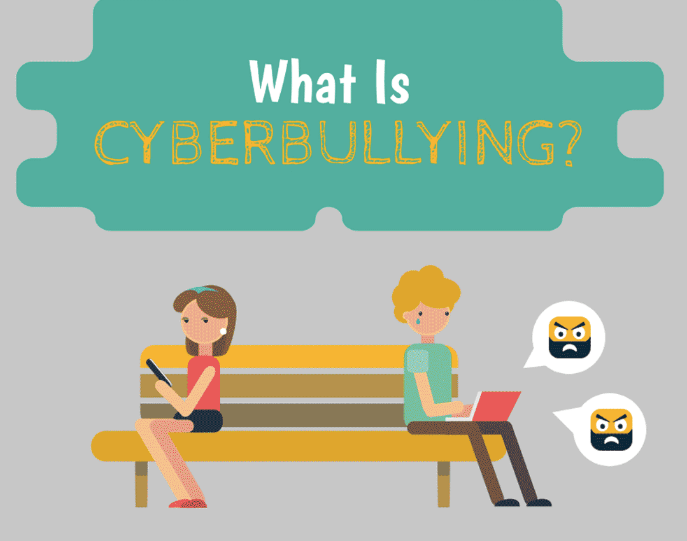
Cyberbullying or cyberharassment is a form of bullying or harassment using electronic means. Cyberbullying and cyberharassment are also known as online bullying. It has become increasingly common, especially among teenagers. Cyberbullying is when someone, typically teens, bully or harass others on the internet, particularly on social media sites. Harmful bullying behavior can include posting rumors, threats, sexual remarks, a victim’s personal information or pejorative labels (i.e. hate speech). Bullying or harassment can be identified by repeated behavior and an intent to harm.[3] Victims may experience lower self-esteem, increased suicidal ideation, and a variety of negative emotional responses, including being scared, frustrated, angry, and depressed.

Cyberbullying comes in a whole range of different shapes and sizes and is something that is totally subjective to the person being cyberbullied.

“Cyberbullying is the use of digital technologies with an intent to offend, humiliate, threaten, harass or abuse somebody.“
– Ditch the Label

What are the different types of cyberbullying?

  • Nasty messages online or on your mobile phone.
  • Comments or replies on your social media posts or posts about you.
  • Being excluded from online group chats on purpose.
  • Embarrassing or harmful photos being put online without your permission.
  • Sending offensive pictures through a messaging app.
  • Rumors and lies about you on a website, messaging app or social media platform.
  • Offensive chat or voice communication on an online game.
  • Fake online profiles being created with an intent to defame you.

– Geoffrey C. Ocaña

“Cyber Security”

This is a continuation in a series of blogs that is all about cyber issues. This entry will be all about Cyber Security.

Image result for cybersecurity.png

What is Cyber Security?

Cyber security is a potential activity by which information and other communication systems are protected from and/or defended against the unauthorized use or modification or exploitation or even theft.

Image result for cyber security.png

What does it do?

Likewise, cyber security is a well-designed technique to protect computers, networks, different programs, personal data, etc., from unauthorized access.

Image result for cyber security.png

Why is it IMPORTANT?

All sorts of data whether it is government, corporate, or personal need high security; however, some of the data, which belongs to the government defense system, banks, defense research and development organization, etc. are highly confidential and even small amount of negligence to these data may cause great damage to the whole nation. Therefore, such data need security at a very high level.

-Michael John Moran

Cyber Attack

Cyber Attacks, one of the most intrusive and dangerous Cyber Issues we face today

This will be the first in a series of blogs that is all about cyber issues. This first entry will be all about Cyber Attacks.

A cyber attack is an attack launched from one or more computers against another computer, multiple computers or networks. In computers and computer networks an attack is any attempt to expose, alter, disable, destroy, steal or gain unauthorized access to or make unauthorized use of an asset. A cyber attack is any type of offensive maneuver that targets computer information systems, infrastructures, computer networks, or personal computer devices. An attacker is a person or process that attempts to access data, functions or other restricted areas of the system without authorization, potentially with malicious intent. Depending on context, cyber attacks can be part of cyberwarfare or cyberterrorism.

Here are 5 surprising facts about cyber attacks:

  • There is a hacker attack every 39 seconds.
  • 95% of cybersecurity breaches are due to human error.
  • The average cost of a data breach in 2020 will exceed $150 million.
  • 95% of breached records came from only three industries in 2016 namely: Government , Retail   and Technology.
  • Over 75% of healthcare industry has been infected with malware over last year.

-KIRSTIAN ALDIN NGALOT

Create your own website, free on WordPress.com.Create your own website.
Start free